
Painters in Reservoir
Post war houses on generous blocks, a great many of them still carrying the joinery they were built with. Nearly all of it happens indoors, and a good part of that is walking somebody through what happens when dark stained timber goes white.
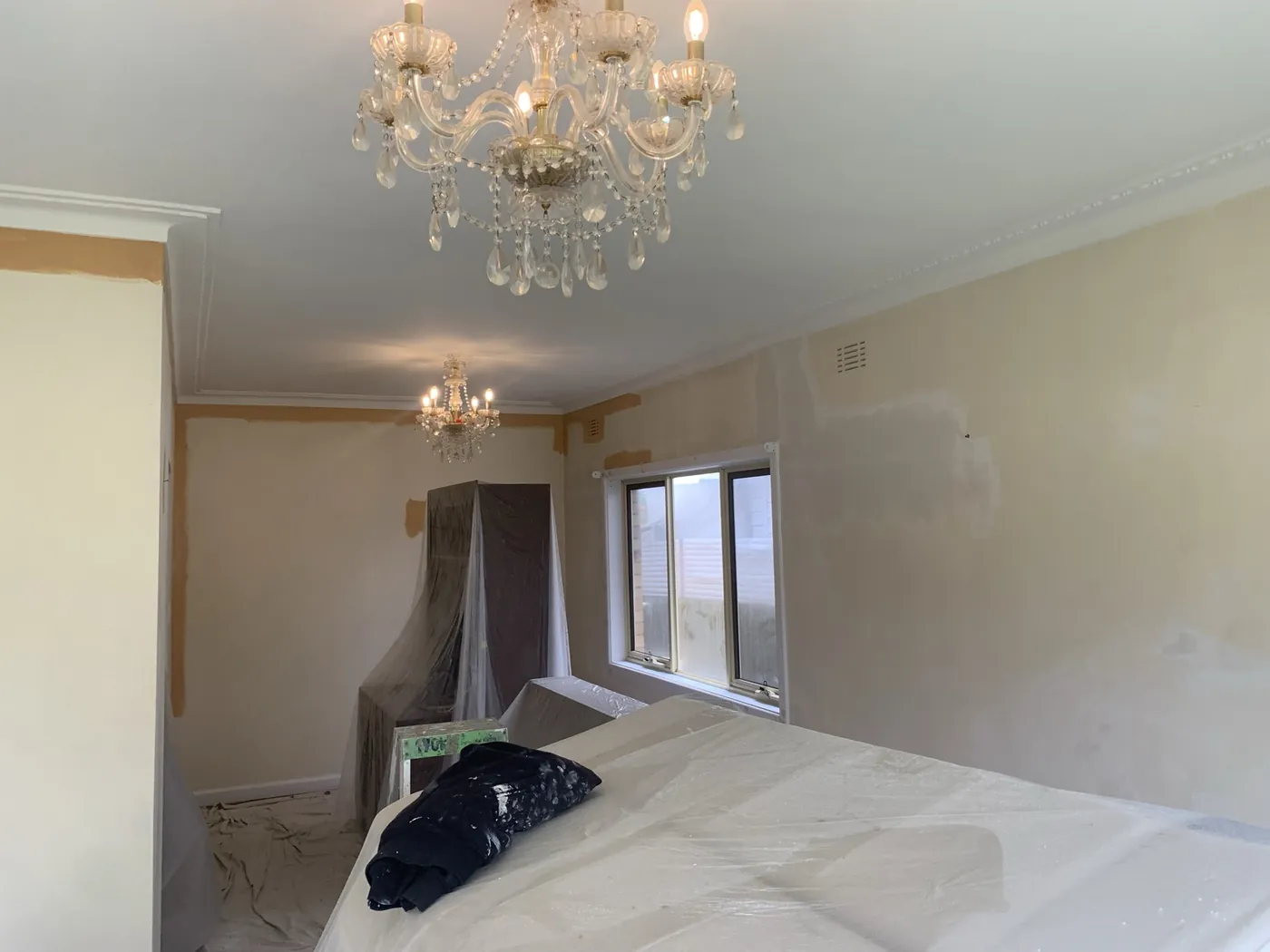
Taking dark stained timber to white
Doors, frames, skirtings, built in robes, sometimes a whole panelled wall. It is the most requested job in this suburb and the one with the most ways to go wrong.
- Varnish is designed to shed thingsA stained and clear finished surface was built to repel water, and it treats paint the same way. It has to be cut back so there is nothing glossy left for the next coat to slide on, then given a primer made to bite into a sealed surface. Rolled straight over as it is, it will look perfect for a fortnight and then peel away in sheets from every edge that gets touched.
- The no sanding products, and what they really doLiquid preparations that promise adhesion without sanding do work, on the right surface, in the right conditions. What they cannot do is bond through decades of furniture polish, cooking residue and hand grease, and old joinery carries all three. We use them where they suit and we sand where they do not, and you get told plainly which one your house is getting.
- The grain will still be therePaint changes the colour, it does not fill the timber. On open grained hardwood, and on the veneer used in built in cupboards, you will still read the texture under a white finish. Most people like that once they see it, but everyone should see it coming rather than discover it at the end. If a completely smooth face is wanted, that is a filling job on top of the painting and it is priced separately.
- Doors and frames want enamel, and enamel wants timeJoinery takes hands, so it takes a harder finish than a wall does. Oil based enamel gives the toughest result and needs around eight hours between coats, which means doors stay off or wedged open overnight. Water based enamels have caught up a long way and dry far quicker. The right choice comes down to whether anyone needs to shut that door tonight, and that is a question worth asking before the job starts.
- Panelled walls have joins in themSheet panelling has a groove or a butt join every few hundred millimetres, and paint does not hide them, it draws the eye along them. They can be filled and made flat, which turns the wall into an ordinary wall, or they can be left and the panelling read as a feature. Both are legitimate. Filling is more work than the painting itself, so it is decided at quoting rather than halfway through.
- Going back the other way is a different tradeOnce joinery has been coated, returning it to bare stained timber means stripping, and taking old finishes off is slow, messy work priced well above the painting itself. That is not a reason to leave a house dark if you want it light. It is a reason to be sure, and to try one room first if you are not.
Houses still wearing their original joinery
- Houses that were never done upA large number of these homes are on their first or second owner and still hold the joinery, the doors and the built in cupboards they were finished with in the fifties or sixties. Everything is sound, none of it is fashionable, and almost nobody wants to rip it out. Painting is what turns that house around, and it explains why so much of what we do in this suburb happens indoors rather than on the facade.
- Additions built by the owner, not a builderHalf the back rooms in this suburb were added by the family that lived here, often across several summers. That usually means good solid work in unusual materials, and it means nothing is a standard size or a standard thickness. We work out what each surface actually is before quoting it instead of assuming, because the wrong guess on a home built addition is the difference between one coat and three.
- Aluminium windows that replaced the timber onesSomewhere in the seventies or eighties a lot of these houses had their original frames swapped for aluminium. Anodised aluminium can be painted, but only after it has been cleaned properly and given a primer made to grip metal, and it ranks among the very few surfaces where skipping that step fails within months rather than years. It is worth deciding on deliberately rather than having it thrown into a quote as an afterthought.
- Plain ceilings, and that is good newsInteriors here are square set or a simple cove, without the moulded cornices and ceiling roses of the period suburbs. There is far less hand cutting, which makes a full interior in Reservoir genuinely cheaper and faster than the same floor area four suburbs south. That is a real difference and we would rather say it than quietly pocket it.
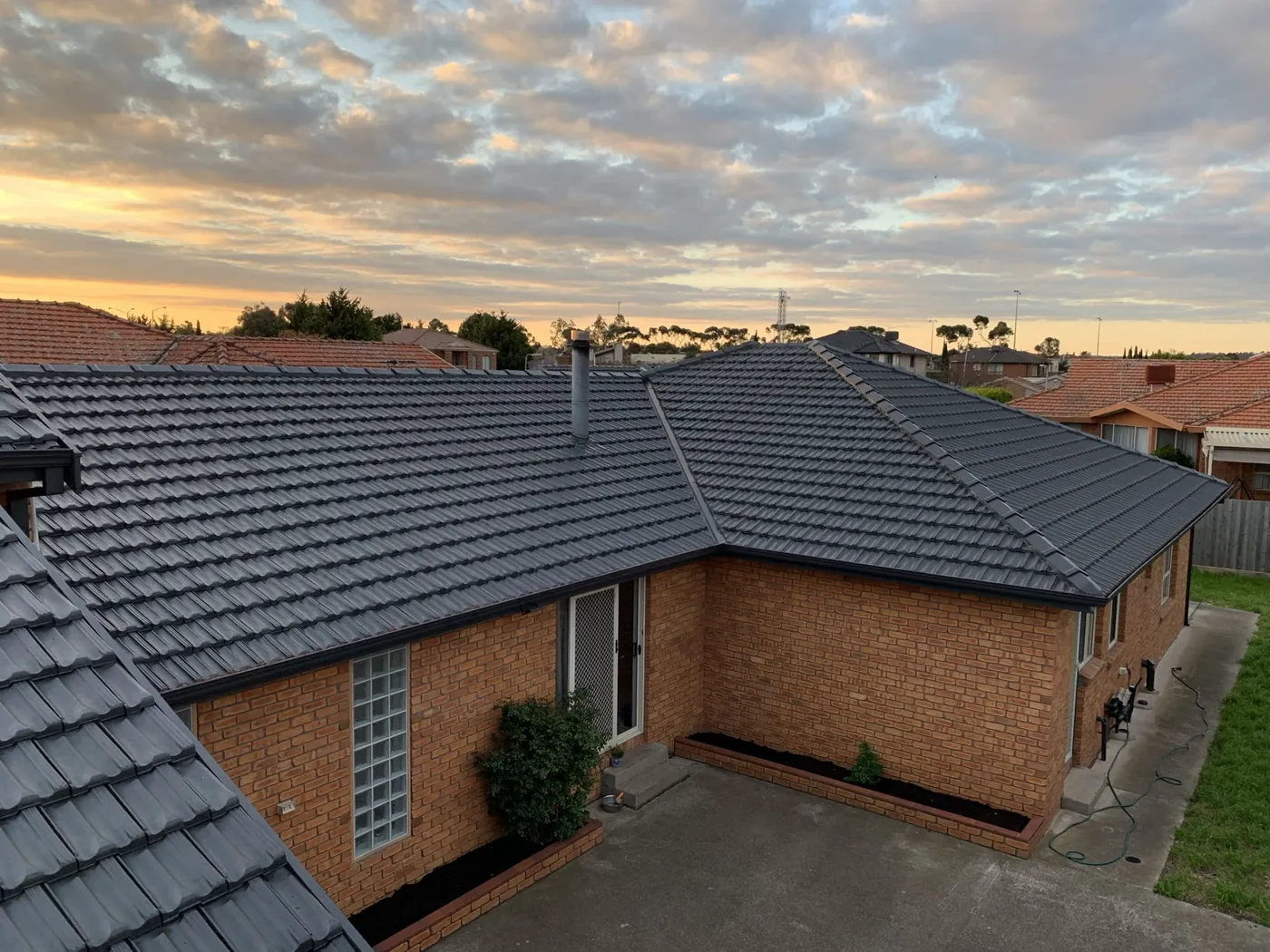
- Room to work, all the way aroundLand in this suburb is generous, and the house usually stands well clear of both side fences. Ladders go where they need to go, a platform can stay up, and nobody is negotiating for access across a neighbour's garden. That is among the reasons an exterior in this part of the north keeps to schedule more reliably than one closer to the city.
Painting services in Reservoir
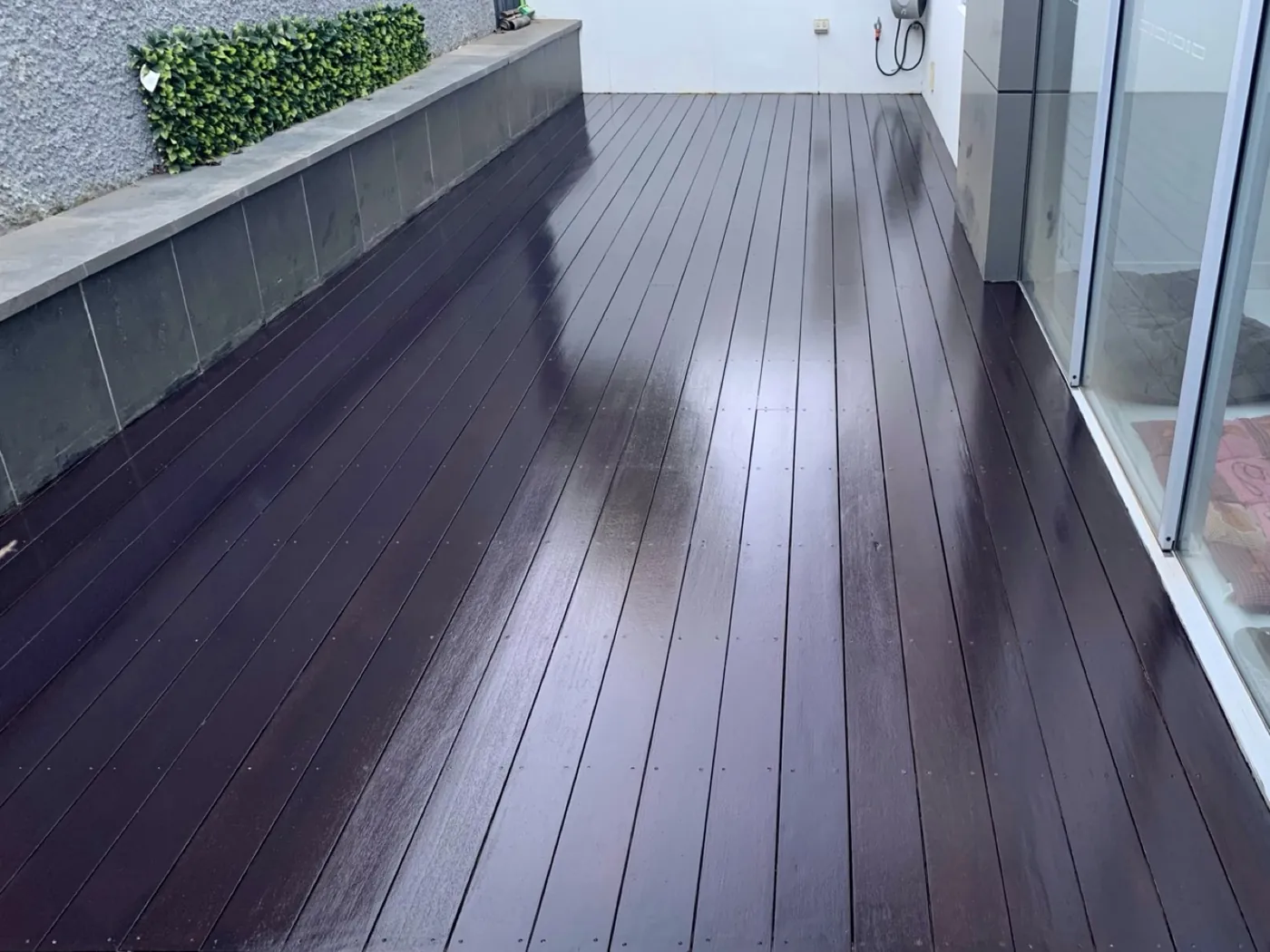
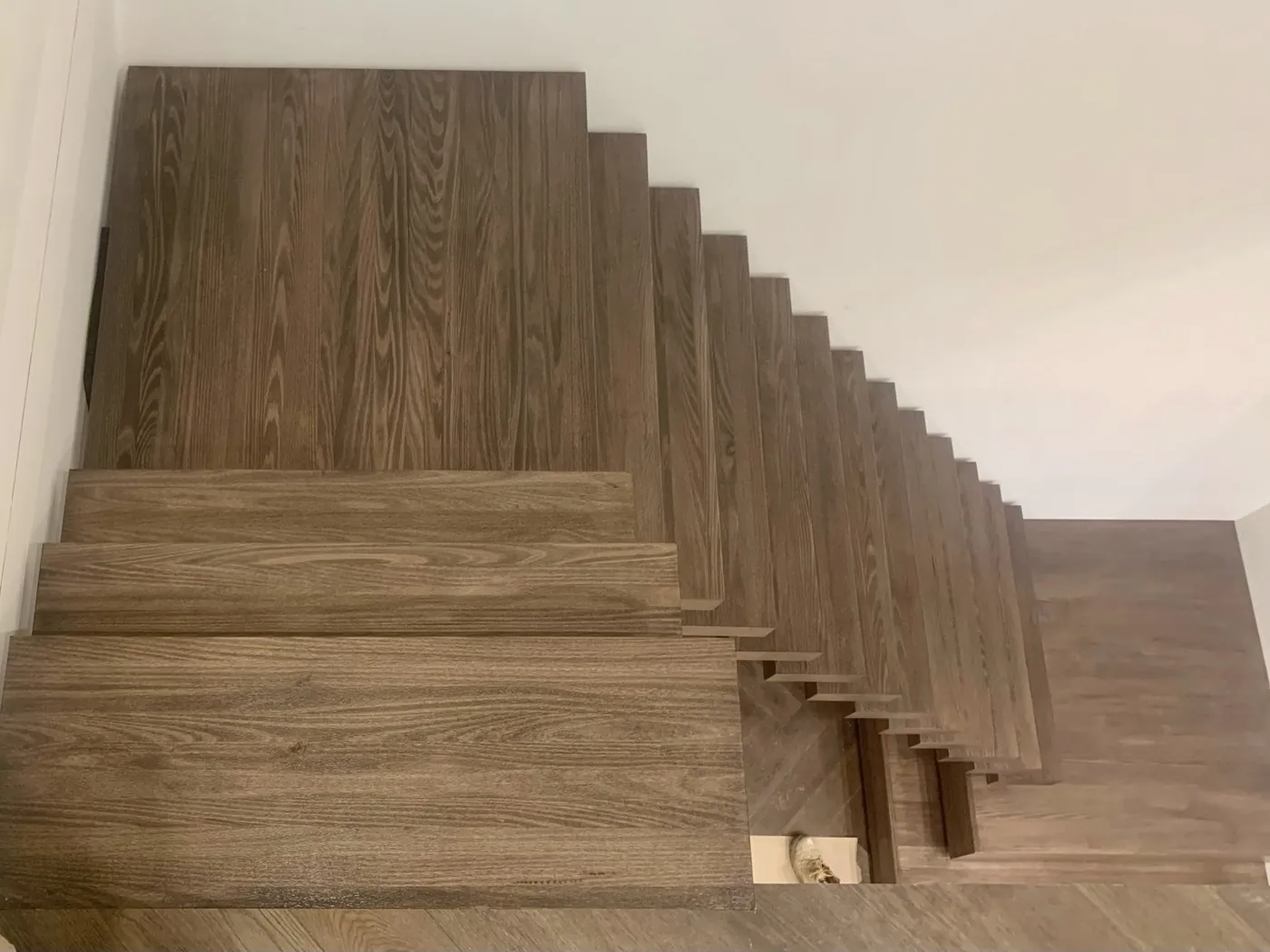
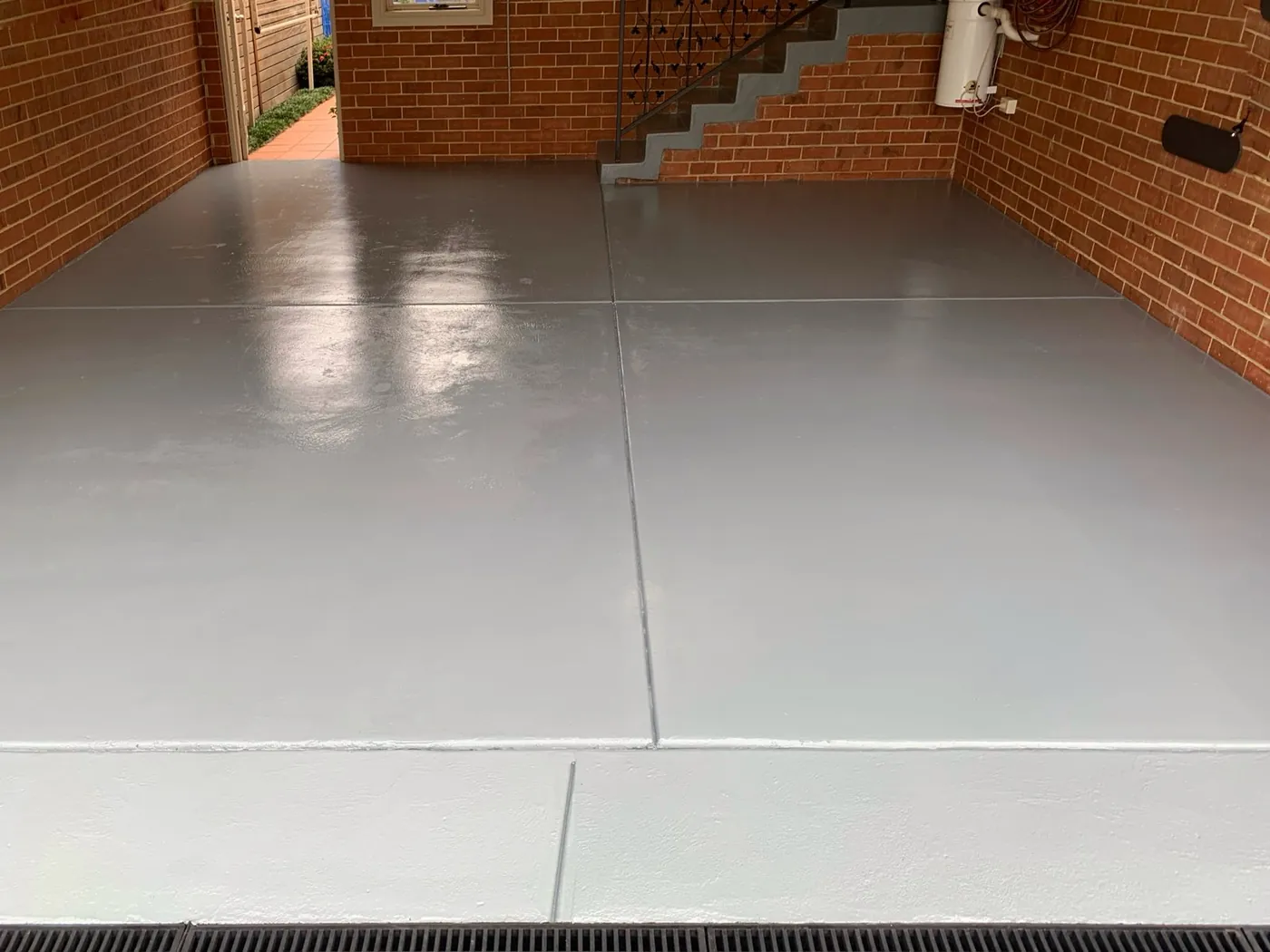
The same range we bring to any Melbourne home, whether the job is one room or the whole house inside and out. In Reservoir the bulk of it is interior joinery: doors, frames, built in robes and the panelling that came with the house.
Whose job is it
A homeowner, a builder, a business owner and someone with a period house worry about completely different things. Pick the one that fits and you will get the answers written for you.
Homeowners
- You stay in the house while we work
- Covers down before anything starts
- One fixed price, not an hourly rate
Builders
- We hold the date we gave you
- Sequenced around the trades behind us
- Priced in a day or two
Commercial
- Staged or overnight, you keep trading
- Access and hours agreed up front
- Shops, offices, schools, warehouses
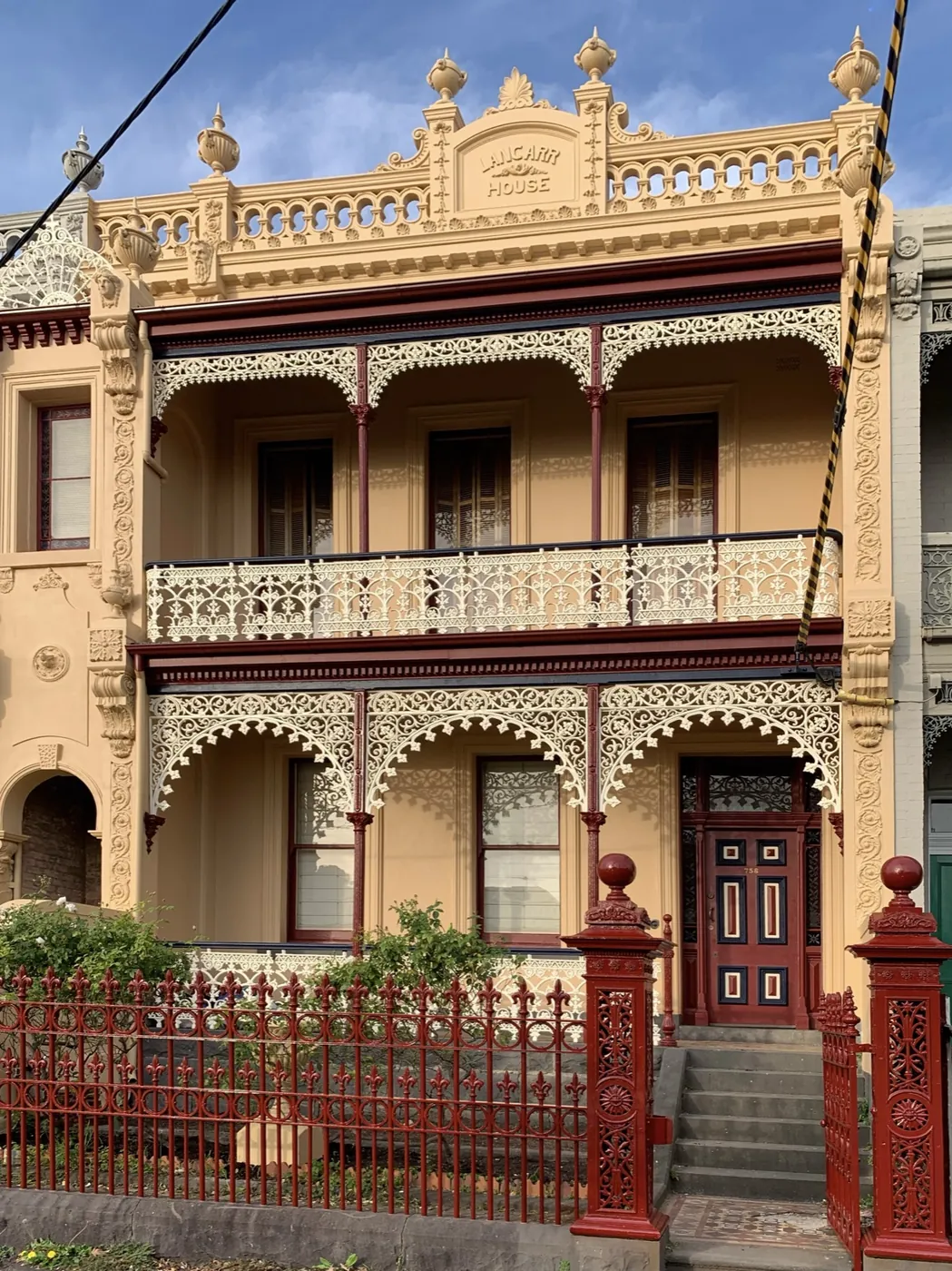
Heritage
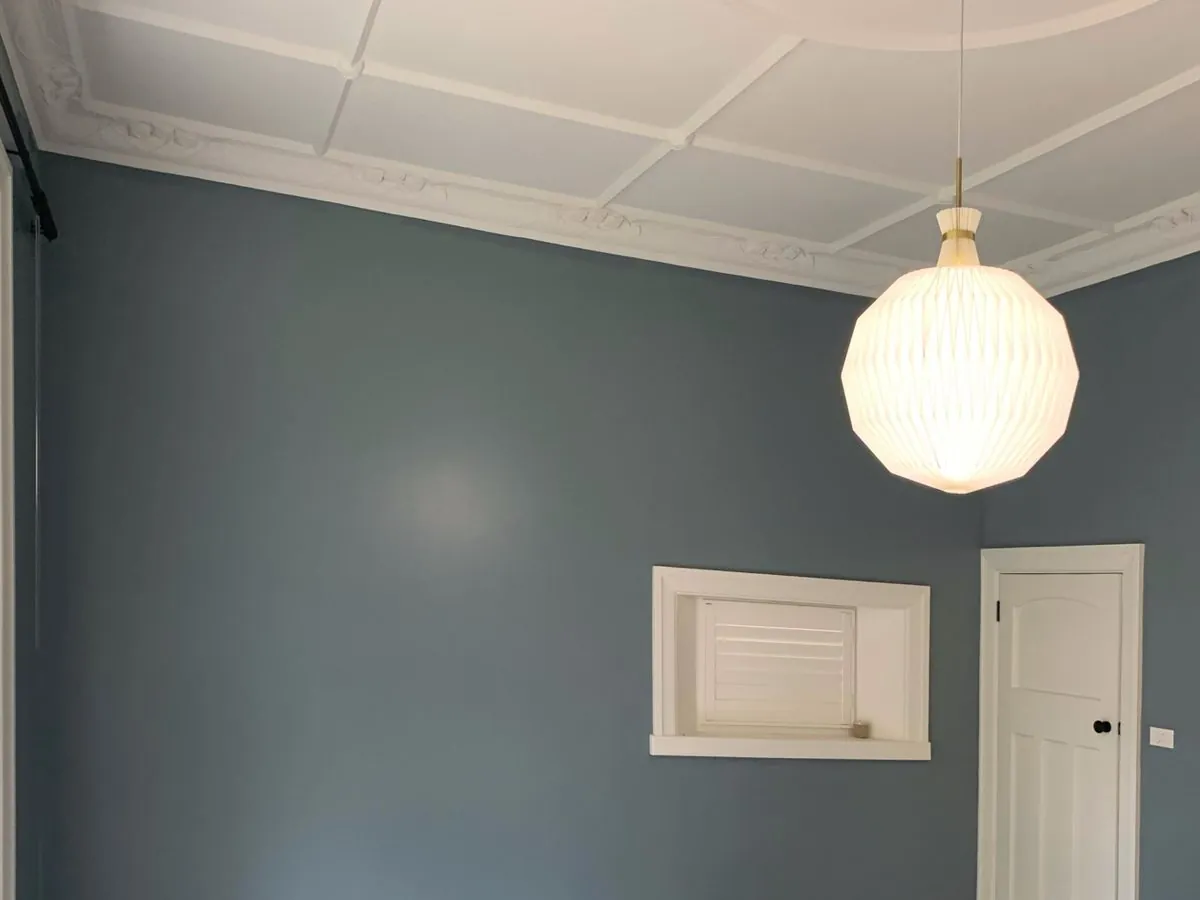
- Ornate plaster cut in by hand
- Old surfaces sanded, not covered
- Council checked before colour
Ready to lighten up a Reservoir home?
Tell us the address and what you are planning. We will come and look, tell you honestly what needs doing first, then give you one fixed price.
Get a free quoteRequest a free quote
Tell us about your project and we'll get back to you, usually within a day, with a fixed, no-surprises quote.
Thank you, your request is on its way
Mark will get back to you within one business day, usually a lot sooner.
Got photos of the space? Send them through on WhatsApp and we can put a price together faster.