
Painters in Ivanhoe
Federation and Edwardian houses on wide blocks under old trees, on streets where people slow down to look at them. On a facade like that the colour scheme decides how the work lands, and it is the part owners lose the most sleep over.
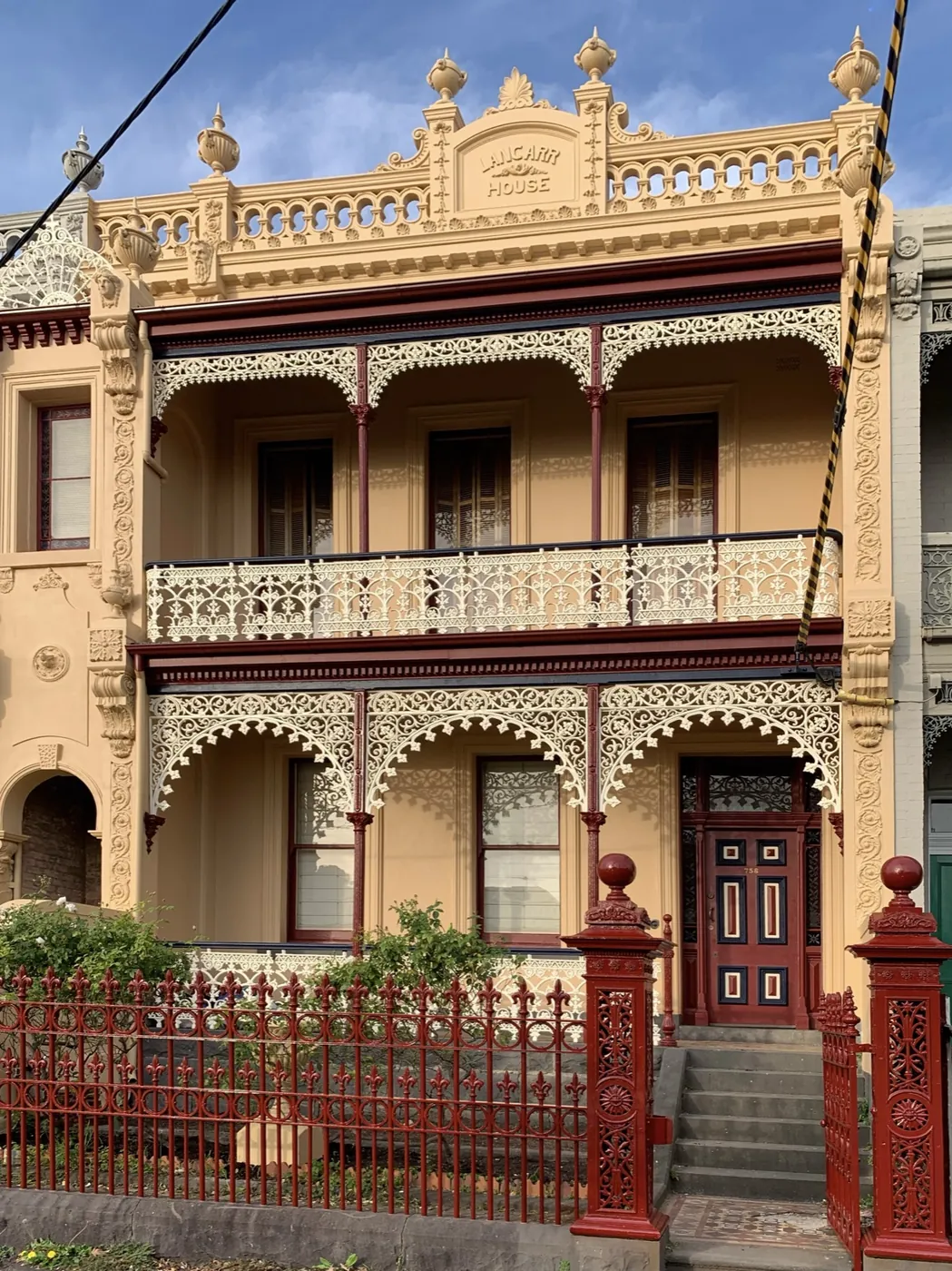
Roughcast, shingles and deep verandahs
- Roughcast, and why it cannot be sanded smoothA great many Federation houses here carry roughcast, the coarse pebbled finish across the upper wall and the gable. It holds grit and grime in every hollow, so it has to be washed out properly rather than wiped over, and it can never be flattened back the way a smooth wall can. Preparation on roughcast is washing and patient patching, and the coating that goes on afterwards has to be flexible enough to sit over that texture without filling it in.
- Shingled gable endsTimber shingles in the gable are one of the signatures of these houses, and they are one of the slowest surfaces on any facade. Every course has an edge, water sits behind the lip of each one, and a spray gun on its own will bridge them and leave the backs bare. They get done by hand, and the ones that have gone soft get replaced before anything is painted over them.
- Verandah ceilings you actually look up atThe deep front verandah is where these houses are at their best, and its ceiling is usually lined boards with a beam and brackets under it. It is seen from below, close up, by anyone standing at the front door, so brush marks and missed edges show there more than anywhere else on the house. It is also the one part of the exterior that stays dry, which means the finish on it lasts and is worth doing properly once.
- Old trees leaning on the workBlocks here are wide and the trees on them are older than most of the houses. Branches resting against a wall will scrub a fresh coat back within a year, and anything overhanging drops sap and leaf onto a wet surface. Cutting back what touches the building is part of preparing it, and it needs sorting before a start date rather than on the morning.
- Houses that get looked atPeople walk these streets to look at the houses, and the colour on a facade here is on show far more than it would be down a narrow street. That raises the cost of getting the scheme wrong, which is why we treat choosing it as part of the job rather than something you sort out on your own beforehand.
Getting the colour right before the first coat
The colour is the part owners lose sleep over, and the only part that cannot be quietly fixed later. This is how we settle it.
- Mark will choose it if you would rather he didSome owners know exactly what they want and some genuinely do not, and there is nothing wrong with the second. On a large job in Brighton the owner asked Mark to pick the shade instead of deciding it himself, and that is a perfectly normal way to run it. Say so early and it becomes part of the work instead of a fortnight of second guessing.
- A brushed sample beats a card every timeA colour on a small card and the same colour across a whole wall are not the same experience, and the wall almost always reads stronger. Samples go up on the actual house, on the elevation you are worried about, and they stay there long enough to be lived with.
- Look at it three times in one dayMorning, middle of the day and late afternoon. A shade that is soft at eight can go cold by five, and a north facing wall and a south facing one will not agree about the same tin. Anything chosen under a shop light will surprise you outdoors.
- The heritage ranges exist because these houses doDulux keeps a heritage range built around the palettes these homes were first painted in, and those shades sit on a Federation facade the way a modern white never quite will. It is not a rule, plenty of period houses look right in something contemporary, but it is the sensible place to start looking.
- A period facade wants three colours, not oneBody, trim and then a third for the detail: brackets, the frieze, the verandah posts, the front door. That structure is what makes these houses read properly, and it is why a facade painted in one flat colour looks bare even when the work underneath is perfect.
- You keep the code, not just the colourAt the end we leave the tin with the brand, the colour code and the batch number on it. Three years later, when something needs touching up, that label saves repainting an entire wall just to stop one patch showing.
Painting services in Ivanhoe
The same range we bring to any Melbourne home, whether the job is one room or the whole house inside and out. In Ivanhoe most of it lands on the outside of period houses: roughcast, shingles, verandah timber and the three colours that hold them together.
Whose job is it
A homeowner, a builder, a business owner and someone with a period house worry about completely different things. Pick the one that fits and you will get the answers written for you.
Homeowners
- You stay in the house while we work
- Covers down before anything starts
- One fixed price, not an hourly rate
Builders
- We hold the date we gave you
- Sequenced around the trades behind us
- Priced in a day or two
Commercial
- Staged or overnight, you keep trading
- Access and hours agreed up front
- Shops, offices, schools, warehouses
Heritage
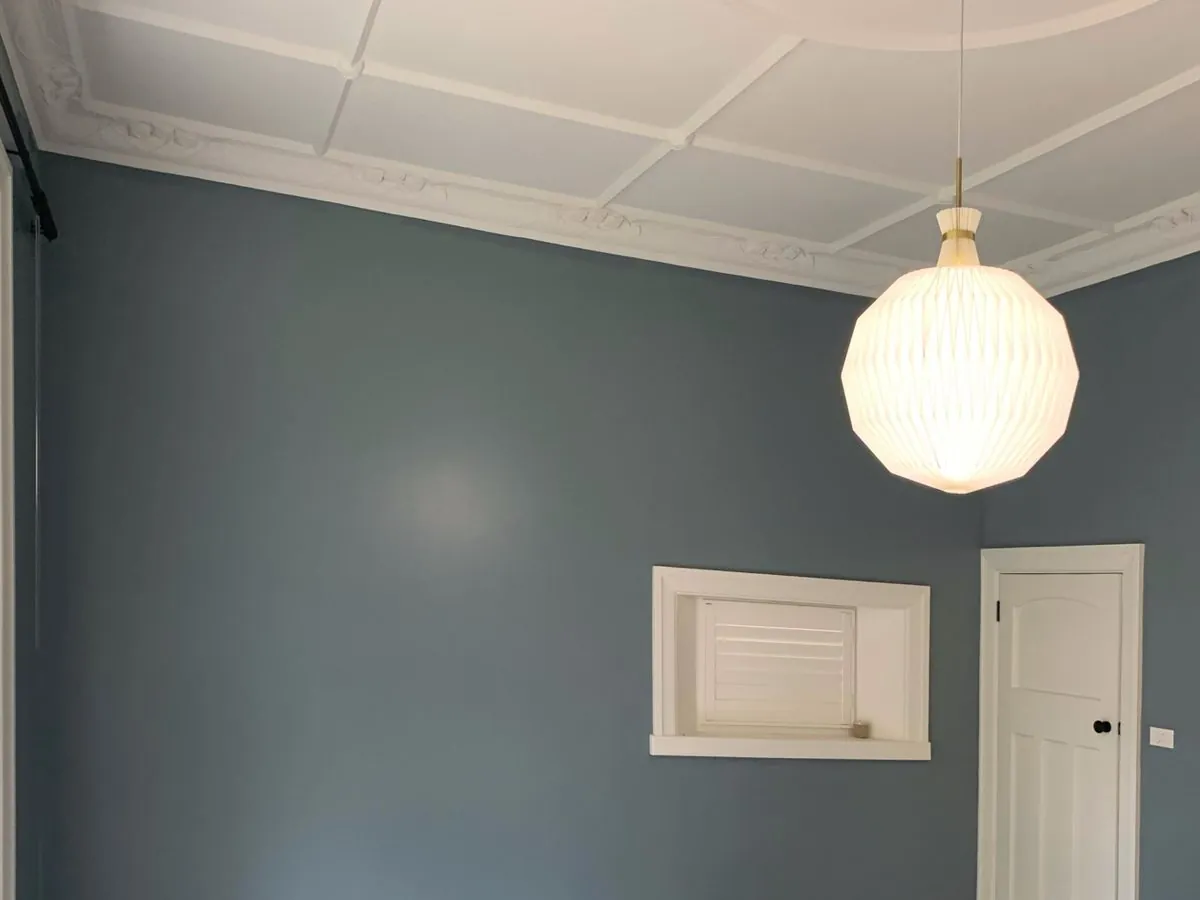
- Ornate plaster cut in by hand
- Old surfaces sanded, not covered
- Council checked before colour
Painting a period home in Ivanhoe?
Tell us the address and what you are planning. We will come and look, tell you honestly what needs doing first, then give you one fixed price.
Get a free quoteRequest a free quote
Tell us about your project and we'll get back to you, usually within a day, with a fixed, no-surprises quote.
Thank you, your request is on its way
Mark will get back to you within one business day, usually a lot sooner.
Got photos of the space? Send them through on WhatsApp and we can put a price together faster.